IVF (In-Vitro Fertilization) is a form of assisted reproductive technology (ART) that has transformed the lives of millions. By bringing the egg and sperm together in a controlled laboratory environment, IVF bypasses many of the natural hurdles that prevent conception.
The IVF Procedure: Step-by-Step
Understanding the science can make the journey feel more manageable:
- Ovulation Induction: Hormonal support to help the ovaries produce multiple healthy eggs.
- Egg Retrieval: A precise procedure to collect the mature eggs.
- Fertilization: The magic moment where sperm and egg meet in the lab.
- Embryo Transfer: The final step of placing the healthy embryo back into the womb.
4 Reasons to Consider IVF
- Greater Control: IVF offers more diagnostic power and control over the timing of your pregnancy compared to other treatments.
- Higher Success Rates: Statistically, IVF has higher success rates than treatments like IUI, especially for complex infertility cases.
- Safe and Effective: Modern IVF protocols are highly refined, making it a safe medical procedure for the majority of women.
- Cost-Effective Options: With various financing and insurance options, IVF is more accessible today than ever before.
Top 3 Benefits of IVF
- Overcoming Fertility Barriers: Whether it is PCOS, Endometriosis, or Male Factor Infertility, IVF provides a direct solution.
- Speed to Success: IVF can often achieve a pregnancy faster than natural cycles for those struggling with long-term infertility.
- The Genetic Connection: IVF allows couples to have a biological child using their own DNA, a primary goal for many families.
Is IVF Right for You?
Consult with Dr. Pankaj Talwar to understand your options and start your journey with a personalized fertility plan.
📍 Gurugram & New Delhi | Advanced IVF & Infertility Centre
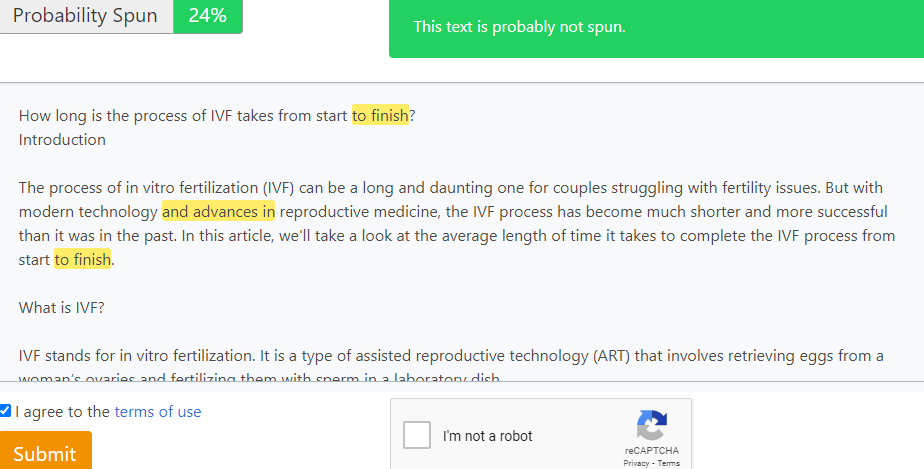
The process of in vitro fertilization (IVF) can be a long and daunting one for couples struggling with fertility issues. But with modern technology and advances in reproductive medicine, the IVF process has become much shorter and more successful than it was in the past. In this article, we’ll take a look at the average length of time it takes to complete the IVF process from start to finish.
What is IVF?
IVF stands for in vitro fertilization. It is a type of assisted reproductive technology (ART) that involves retrieving eggs from a woman’s ovaries and fertilizing them with sperm in a laboratory dish.
IVF can be an option for couples who have been trying to conceive without success for some time. It may also be an option for women with damaged Fallopian tubes or men with low sperm counts.
The IVF process usually takes place over the course of several weeks and involves multiple steps.
Step One: Ovulation Stimulation
This is done using medication that contains hormones, such as follicle-stimulating hormone (FSH) or human chorionic gonadotropin (hCG). The medication is usually given through injections.
Step Two: Egg Retrieval
Once the eggs have reached a certain size, they are ready to be retrieved. A needle is inserted into the vagina, and the eggs.
The Process of IVF
The process of IVF can be a long and difficult one, but it is often worth it for couples who are struggling to conceive. The first step is to consult with a fertility specialist to see if IVF is right for you. If it is, the next step is to begin the process of stimulations and retrievals. This can take several weeks, during which time you will be closely monitored by your doctor. Once the eggs have been retrieved, they will be fertilized in a lab and then transferred back into your uterus. The entire process can take several months, but the results are often worth it for couples who have been struggling to conceive.
What are the success rates of IVF?
The success rates of IVF can vary depending on a number of factors, including the age of the patient, the cause of infertility, and the number of embryos transferred. In general, however, the success rate of IVF is about 20-35%.
Risks and Complications associated with IVF
The process can be long and complicated, and there are several risks and potential complications associated with it. Couples should discuss all of the risks and potential complications with their doctor before proceeding with IVF. Some of the risks and potential complications associated with IVF include:
- Ovarian hyperstimulation syndrome (OHSS) is a condition that can occur when the ovaries are stimulated too much during the IVF process. OHSS can lead to serious health problems like blood clots, kidney failure, and stroke.
- Multiple births: One of the biggest risks associated with IVF is the possibility of multiple births. This is because doctors often implant more than one embryo into the uterus in order to increase the chances of conception. While multiple births can be healthy, they also come with a higher risk of complications, such as preterm labor, low birth weight, and birth defects.
- Egg quality: Another potential complication of IVF is that the eggs used may not be of good quality.
Conclusion
This concludes our article on the timeline of IVF from start to finish. We hope that this has given you a better understanding of how long the entire process takes and what you can expect at each stage. If you have any further questions, please don’t hesitate to reach out to us or your fertility specialist.
You are probably wondering how you can make your IVF treatment successful given that many people are not. However, if you prepare for your IVF and follow these tips you will be able to increase your odds of success.
What does IVF stand for?
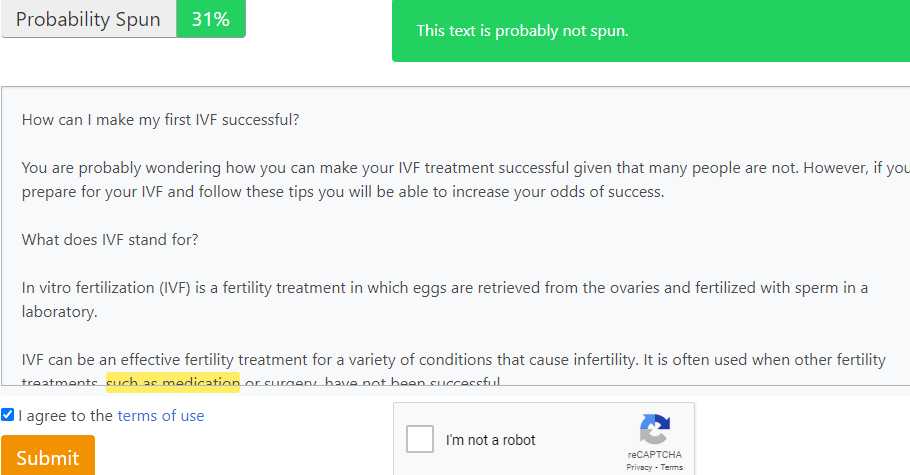
Patients undergoing fertility treatment can utilize in vitro fertilization (IVF) to retrieve eggs. The eggs are then fertilized with sperm, and the patient is hopeful to develop an embryo.
IVF can be an effective fertility treatment for a variety of conditions that cause infertility. It is often used when other fertility treatments, such as medication or surgery, have not been successful.
There are several steps involved in the IVF process, and each step must be carefully monitored and controlled to ensure success.
Stimulating the ovaries. This is done with injectable medications that contain either follicle stimulating hormone (FSH) or human chorionic gonadotropin (hCG).
Next, the eggs are retrieved from the ovaries using a needle that is inserted into the vagina under ultrasound guidance. The egg retrieval process takes about 30 minutes and is usually performed under sedation.
Once the eggs have been retrieved, they are placed in a dish with sperm for fertilization. The sperm may be obtained from the male partner through masturbation or may be donated by a sperm bank. In some cases, intracytoplasmic sperm injection (ICSI) may be used, which involves injecting a single sperm directly into each egg.
After fertilization has occurred, the embryos are incubated in a laboratory for 3-5 days. During this time, they will divide and grow into larger cells.
Once they have reached the blastocyst stage, they are ready to be transferred to the uterus. The transfer is a simple procedure that is similar to a pap smear and is usually performed under ultrasound guidance.
After the embryos have been transferred, the patient will take medication to support the pregnancy. A pregnancy test is typically performed two weeks after the transfer.
If the test is positive, an ultrasound will be performed to confirm the pregnancy and to check for the presence of multiple gestations.
How do I make an IVF cycle successful?
There are some basic tips that can help increase the chances of success with IVF. First and foremost, it is important to have a healthy lifestyle prior to starting an IVF cycle. This means eating a nutritious diet, getting regular exercise, and managing stress levels. Additionally, it is important to work closely with a fertility specialist to ensure that all steps of the IVF process are being followed correctly. Lastly, remaining positive throughout the process can also play a role in increasing the chances of success.
Tips on how to get pregnant faster
If you’re considering in vitro fertilization (IVF), there are a few things you can do to improve your chances of success. First, get as healthy as possible. Second, talk to your doctor about your medical history and what medications you’re taking. Some medications can improve your chances of success with IVF. Third, consider using an egg donor or sperm donor if you have trouble conceiving on your own. And finally, be prepared for the emotional roller coaster that is IVF. It’s normal to feel scared, anxious, and even overwhelmed at times. But remember, you’re not alone—thousands of couples go through IVF every year, and many of them are successful.
Conclusion
There is no single answer to the question of how to make your first IVF treatment successful. Every patient and every situation is unique. Stay positive and have faith that you will ultimately achieve your goal of becoming a parent. With these tips in mind, you can give yourself the best chance possible for a successful IVF treatment.