IVF (In-Vitro Fertilization) is a form of assisted reproductive technology (ART) that has transformed the lives of millions. By bringing the egg and sperm together in a controlled laboratory environment, IVF bypasses many of the natural hurdles that prevent conception.
The IVF Procedure: Step-by-Step
Understanding the science can make the journey feel more manageable:
- Ovulation Induction: Hormonal support to help the ovaries produce multiple healthy eggs.
- Egg Retrieval: A precise procedure to collect the mature eggs.
- Fertilization: The magic moment where sperm and egg meet in the lab.
- Embryo Transfer: The final step of placing the healthy embryo back into the womb.
4 Reasons to Consider IVF
- Greater Control: IVF offers more diagnostic power and control over the timing of your pregnancy compared to other treatments.
- Higher Success Rates: Statistically, IVF has higher success rates than treatments like IUI, especially for complex infertility cases.
- Safe and Effective: Modern IVF protocols are highly refined, making it a safe medical procedure for the majority of women.
- Cost-Effective Options: With various financing and insurance options, IVF is more accessible today than ever before.
Top 3 Benefits of IVF
- Overcoming Fertility Barriers: Whether it is PCOS, Endometriosis, or Male Factor Infertility, IVF provides a direct solution.
- Speed to Success: IVF can often achieve a pregnancy faster than natural cycles for those struggling with long-term infertility.
- The Genetic Connection: IVF allows couples to have a biological child using their own DNA, a primary goal for many families.
Is IVF Right for You?
Consult with Dr. Pankaj Talwar to understand your options and start your journey with a personalized fertility plan.
📍 Gurugram & New Delhi | Advanced IVF & Infertility Centre
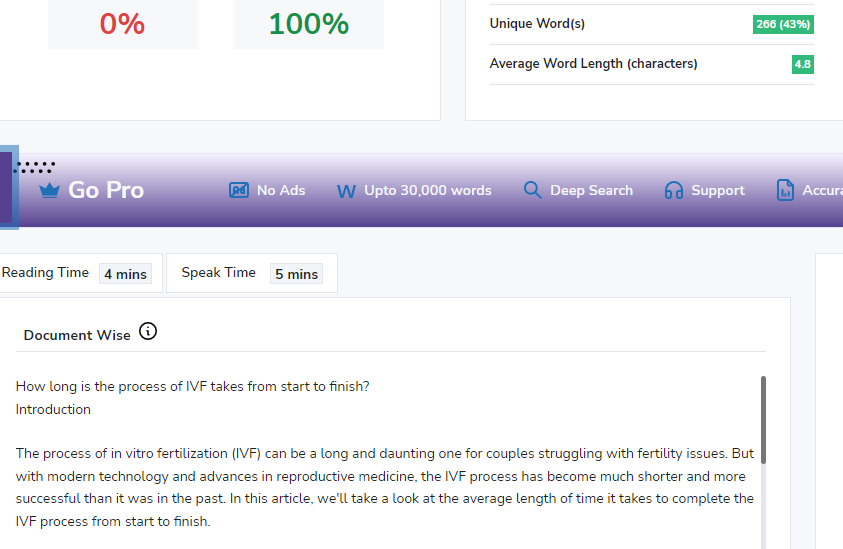
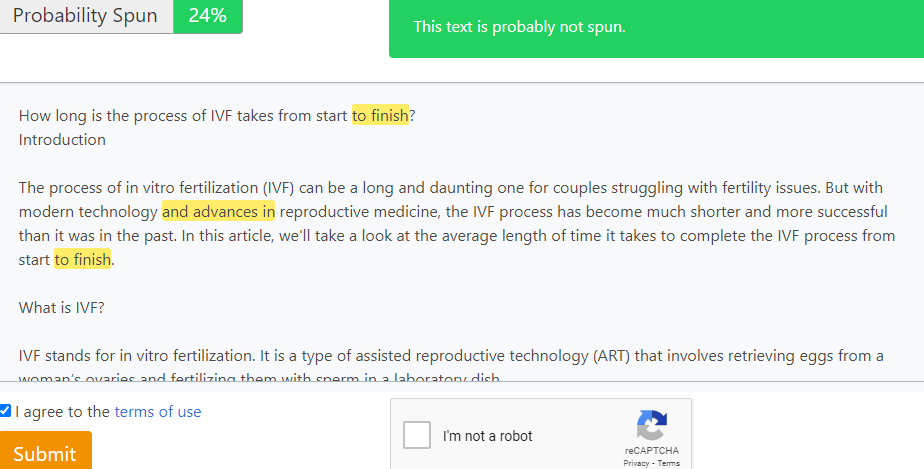
The process of in vitro fertilization (IVF) can be a long and daunting one for couples struggling with fertility issues. But with modern technology and advances in reproductive medicine, the IVF process has become much shorter and more successful than it was in the past. In this article, we’ll take a look at the average length of time it takes to complete the IVF process from start to finish.
What is IVF?
IVF stands for in vitro fertilization. It is a type of assisted reproductive technology (ART) that involves retrieving eggs from a woman’s ovaries and fertilizing them with sperm in a laboratory dish.
IVF can be an option for couples who have been trying to conceive without success for some time. It may also be an option for women with damaged Fallopian tubes or men with low sperm counts.
The IVF process usually takes place over the course of several weeks and involves multiple steps.
Step One: Ovulation Stimulation
This is done using medication that contains hormones, such as follicle-stimulating hormone (FSH) or human chorionic gonadotropin (hCG). The medication is usually given through injections.
Step Two: Egg Retrieval
Once the eggs have reached a certain size, they are ready to be retrieved. A needle is inserted into the vagina, and the eggs.
The Process of IVF
The process of IVF can be a long and difficult one, but it is often worth it for couples who are struggling to conceive. The first step is to consult with a fertility specialist to see if IVF is right for you. If it is, the next step is to begin the process of stimulations and retrievals. This can take several weeks, during which time you will be closely monitored by your doctor. Once the eggs have been retrieved, they will be fertilized in a lab and then transferred back into your uterus. The entire process can take several months, but the results are often worth it for couples who have been struggling to conceive.
What are the success rates of IVF?
The success rates of IVF can vary depending on a number of factors, including the age of the patient, the cause of infertility, and the number of embryos transferred. In general, however, the success rate of IVF is about 20-35%.
Risks and Complications associated with IVF
The process can be long and complicated, and there are several risks and potential complications associated with it. Couples should discuss all of the risks and potential complications with their doctor before proceeding with IVF. Some of the risks and potential complications associated with IVF include:
- Ovarian hyperstimulation syndrome (OHSS) is a condition that can occur when the ovaries are stimulated too much during the IVF process. OHSS can lead to serious health problems like blood clots, kidney failure, and stroke.
- Multiple births: One of the biggest risks associated with IVF is the possibility of multiple births. This is because doctors often implant more than one embryo into the uterus in order to increase the chances of conception. While multiple births can be healthy, they also come with a higher risk of complications, such as preterm labor, low birth weight, and birth defects.
- Egg quality: Another potential complication of IVF is that the eggs used may not be of good quality.
Conclusion
This concludes our article on the timeline of IVF from start to finish. We hope that this has given you a better understanding of how long the entire process takes and what you can expect at each stage. If you have any further questions, please don’t hesitate to reach out to us or your fertility specialist.
IVF is the process of fertilization by extracting eggs, recovering a sperm sample, and afterward physically joining an egg and sperm in a laboratory. The embryo(s) is then moved to the uterus. As indicated by the Society of Assisted Reproductive Technologies (SART), the success rate of giving birth to a live child after IVF is as per the following:
- 47.8%for females under age 35
- 38.4% for females age 35 to 37
- 26% for females ages 38 to 40
- 13.5% for females age 41 to 42
How are IVF Success Rates Determined and Reported?
Live Birth Rate: Live birth rate is the number of infants born divided by the number of cycles started to accomplish the birth. Remember that this information is generally dated, and patients should remember that doctors are continually refining and improving IVF.
Implantation and Pregnancy Rates: It permits a person to see the number of patients got a positive pregnancy test, the number of clinical pregnancies (checked by ultrasound), as well as the number of miscarriages.
Cycle characteristics: Cycle characteristics include average (mean) number of embryos transferred and the percentage of patients deciding on elective single embryo transfer (eSET).
Factors Affecting IVF Success Rate
Common factors that determine the success of IVF includes the following:
Age
Women age and utilization of own eggs are significant IVF success factors to consider. While young females have higher odds of IVF success, factors that decrease the odds of IVF success incorporate being a older woman with less eggs and the lower quality of a older woman eggs. The live birth IVF success rate for women under 35 who start an IVF cycle is 40%. However, women over age 42 have a 4 percent achievement rate.
Previous Pregnancy
More IVF success factors to consider incorporate whether you were pregnant already and in the event that it was with the same partner. In the event that you were pregnant beforehand with the same partner that is as of now going through IVF treatment, there is a more prominent chance of IVF success. Factors, for example, a background marked recurrent miscarriages or a different partner may decrease the odds of IVF success.
Type of Fertility Problems
While some male infertility issues do affect IVF success, factors like uterine irregularities, exposure to DES or fibroid tumors likewise declines the probability of success with IVF.
Important to know: IVF success factors are reliant on ovulation. Ovarian dysfunction, similar to high FSH levels which demonstrate a low ovarian reserve, may diminish the chance of IVF success. Variables that may bring down pregnancy rates and decrease success with IVF include requiring a lot of ovulation stimulation drugs.
Whenever the two partners are infertile with lower chances for IVF success, factors, for example, the time you have been infertile is imperative to consider. The chances of IVF success decline with the amount of time a couple has been infertile.
Use of Donor Eggs
Donor eggs are a critical consideration, particularly if the women are more than 35-40, as there might be a higher rate of IVF success. Factors, for example, egg quality and age of donor are significant. Utilizing donor eggs from young women may build the chances of pregnancy for women more than 40. 2011 discoveries show a 55 percent live birth achievement rate with a new donor egg/embryo transfer.
Lifestyles Habits
- Quit smoking to improve your chance of getting pregnant. Usually the woman is needed to quit smoking in any event 3 months prior to beginning IVF treatment.
- Smokers require higher amounts of fertility medications to stimulate their ovaries
- Smokers have lower implantation rates than nonsmokers
- Women who smoke require twice the same number of IVF attempts
- Women who smoke experience more failed fertilisation cycles
Fertility Clinic
The fertility clinic you decide for the IVF treatment can enormously influence your IVF success. Variables to consider while assessing the success rate of the clinic include:
- The training and experience of the IVF facility and staff
- The live birth rate per IVF cycles began
- The rate of patients pregnant with multiples (twins, trios or more)
- The lab utilized by the center and the capabilities of their staff
- The type of patients acknowledged at the center, all the more explicitly their age and fertility issue.
As we all know, there is no “guarantee” in medical procedures – every doctor can authenticate this fact. Thus, the only guarantees we can discuss in IVF are monetary and financial in nature, that is, a reimbursement guarantee in the event that the IVF program doesn’t end with the desired outcome.
Money back guarantee plans are advertised since insurance covers just 15% to 25% of IVF costs. IVF is a high technology clinical help with costs going from $6,000 to $12,000 (4 to 8 Lakhs INR). In spite of the fact that the IVF live-birth rate per egg recovery for young patients has doubled in the previous decade, to roughly 40%, numerous women don’t conceive on their first attempt, and it is difficult to guarantee any clinical result with the technology.
After three IVF cycles, including utilization of frozen embryos from those cycles, the probability of having a child increases to 60% to 90% in women younger than 40. On the off chance that IVF fails, in any case, a generous reimbursement may help a couple to adopt (which can cost $20,000 to $40,000), attempt different types of assisted reproduction, (for example, a gestational carrier, which expenses up to $60,000), or recover part of their original investment.
Financial Guarantee Calculation
The financial guarantee is really not determined on the measure of total money that is paid during the beginning of the treatment cycle. Rather, the sum is a variable percentage that is really a portion of the complete treatment cost acquired.
The age of the woman act as the principle determinant. The amount of money reimbursed and the age of the woman is inversely proportional to one another. The older the woman, lesser the reimbursement is given.
Types of IVF Refund and Money Back Guarantee Programmes
IVF Refund and IVF Money Back Guarantee projects can be additionally grouped into:
- Programmes which plan to accomplish a clinical pregnancy, typically characterized as arriving at the 6th, seventh or twelfth week stretch of pregnancy.
- Programmes in which the principal objective is the live birth of a baby.
- IVF refund programmes in which the patient doesn’t get a reimbursement if the treatment is successful.
- IVF refund programmes in which the patient gets a partial reimbursement if the treatment is successful.
- It is likewise significant that refund programmes for IVF are accessible both for treatment utilizing the patient’s own eggs, just as donor eggs.
Advantages of Refund Guarantee in IVF
- A full or partial refund in case of an unsuccessful IVF treatment, which can be put towards further treatments.
- The clinic is motivated to achieve success as quickly as possible – after all, a money refund is on the line.
- If you use all of the IVF cycles within the programme, the overall cost becomes cheaper than if you were receiving the same number of cycles outside the programme, oftentimes the “IVF guarantee” option turns out to be cheaper.
- You can focus on your treatment instead of your finances because you’re covered by a programme and have more cycles available.
- Every cycle assigned to your programme will be performed at the same clinic. Often patients switch clinics after a failed attempt. That’s not always the smartest choice, as sticking with one clinic allows staff to hold more of an insight into your medical history.
- Financial planning of your treatment is easier since it’s easier to estimate the total cost of the programme.
Disadvantages of Refund Guarantee in IVF
- If you achieve your desired result during the first cycle, you’ll end up paying more than you would when paying for a single cycle outside of any programme (that’s why we’re talking here about ‘IVF shared risk’ finance programmes).
- Not every patient qualifies for an IVF Refund programme. When it comes to treatments using donor eggs, the qualifications for the patients are relatively lax. If you’re set on using your own eggs, it becomes much harder to qualify, as the financial risk for the clinic becomes higher.
- Higher entry cost for such programmes.
Plan Your Journey with Confidence
Navigating the financial aspects of fertility treatment is easier with professional guidance. Contact Dr. Pankaj Talwar’s team for transparent counseling.
📍 Gurugram & New Delhi | Advanced & Transparent IVF Care
In vitro fertilization (IVF) is a sophisticated series of procedures designed to assist with fertility, prevent hereditary genetic issues, and aid in conception. While modern technology has made IVF in Delhi NCR more successful than ever, it is a biological reality that the process does not always result in pregnancy on the first attempt.
Younger women generally see higher success rates—approximately 40% for those under 35. However, when a cycle fails, it is often due to factors beyond the patient’s control. Understanding these medical hurdles is essential for planning a more successful subsequent path.
1. Chromosomal & Egg Abnormalities
The health of a human egg (oocyte) is susceptible to damage from free radicals and metabolic byproducts, especially as a woman ages. Studies indicate that 25% to 40% of all oocytes can be chromosomally anomalous. This percentage increases significantly after the age of 37, often leading to embryos that fail to implant or result in early miscarriage.
2. Embryo Quality and Selection
In our lab, embryologists evaluate embryos based on three primary standards: cell stage, embryo grade, and the rate of cell division. For instance, a Day 3 embryo should ideally reach at least the 6-cell stage. Embryos that divide too slowly or show poor grading have a significantly lower chance of successful implantation.
3. Poor Ovarian Response
Sometimes, the ovaries do not respond adequately to fertility medications. This is more common in women with a diminished ovarian reserve or high FSH levels. If the cycle produces too few eggs, there may not be enough viable embryos for screening or transfer, increasing the likelihood of failure.
4. The Role of Sperm Quality
While sperm issues are less likely to cause IVF failure—thanks to techniques like ICSI (Intracytoplasmic Sperm Injection)—healthy, motile sperm remain crucial. If the sperm lacks the necessary enzymes to penetrate the egg’s outer membrane, fertilization failure can occur, even in a lab environment.
5. Lifestyle Factors: The Controllables
While many factors are genetic, certain lifestyle choices significantly impact outcomes:
- Smoking: Women who smoke often require twice as many IVF cycles and face a higher risk of miscarriage.
- BMI: Being significantly over or underweight can disrupt hormonal balance. Losing just 10% of body weight can markedly improve pregnancy odds.
How We Mitigate IVF Failure
Understanding the “why” is the first step toward the “how.” At our Gurugram fertility clinic, we utilize advanced protocols to mitigate failure, including:
- PGT (Pre-implantation Genetic Testing): Screening embryos for chromosomal health before transfer.
- Individualized Protocols: Adjusting medication types and dosages based on previous ovarian response.
- Advanced Lab Techniques: Using ICSI or donor eggs/sperm when qualitative issues are identified.
Don’t Give Up After an Unsuccessful Cycle
An IVF failure is a data point, not a destination. Let Dr. Pankaj Talwar analyze your previous cycle to build a stronger strategy for your next step.
📍 Gurugram | New Delhi | World-Class Infertility Care
In Assisted Reproductive Technology (ART), there is often a thin line between a successful pregnancy and a failed cycle. If you are not happy with your clinic’s current results, the solution rarely lies in just buying newer equipment. Usually, the answer is found in the “Total Quality Management” of the laboratory and the clinical team.
How to Enhance Your Clinical Results?
Enhancing results requires a multi-pronged approach that audits both the clinical and embryological wings of your center:
- Patient Selection & Optimization: Fine-tuning stimulation protocols and addressing lifestyle/endometrial factors before transfer.
- Laboratory Environment: Monitoring VOCs (Volatile Organic Compounds), CO2 levels, and temperature stability with medical-grade precision.
- KPI Tracking: Monitoring Key Performance Indicators like fertilization rates, cleavage rates, and blastocyst conversion rates.
Quality Control (QC) vs. Quality Assurance (QA)
Understanding the difference is vital for any high-performing ART clinic:
Quality Control (QC): The day-to-day operational techniques to fulfill quality requirements (e.g., checking incubator temperatures every morning, testing media lots).
Quality Assurance (QA): The systematic planned actions providing confidence that the service will satisfy given requirements (e.g., standardizing SOPs, yearly audits, and error prevention protocols).
Training Your Team for Excellence
An IVF center is only as good as its weakest link. Training should not be a one-time event, but a continuous process of “polishing skills.” We focus on:
- Standardizing Embryology Procedures: Ensuring every embryologist handles gametes with the same level of care and timing.
- Nursing & OT Support: Training staff on the delicate handling of OPU (Oocyte Pick-Up) and ET (Embryo Transfer) instruments.
- Counseling Skills: Teaching the team how to manage patient expectations, which significantly impacts “perceived” success rates.
Internal Audits: The Key to Growth
Learning how to perform an internal audit of your ART clinic can reveal hidden bottlenecks. Whether it is a fluctuation in gas quality or a subtle change in the embryo transfer technique, identifying these variables is the only way to consistently improve outcomes.
Audit & Upgrade Your Center
Is your success rate stagnant? Dr. Pankaj Talwar provides specialized Clinic Audits and Team Training Workshops to bring your results up to international standards.
Turning ART Clinics into Centers of Excellence.
For many couples struggling with infertility, the idea of having twins seems like an ideal way to complete their family quickly. However, Multiple Pregnancies (twins, triplets, or more) are medically considered a complication of Assisted Reproductive Technology (ART). Our ultimate goal is not just a positive pregnancy test, but a healthy mother and a healthy baby.
Maternal Complications
Carrying more than one fetus puts a significant strain on a woman’s body. Key risks include:
- Preeclampsia: High blood pressure that can lead to kidney and liver damage.
- Gestational Diabetes: Blood sugar issues that appear during pregnancy.
- Preterm Labor: Delivery before 37 weeks, which is common in multiple births.
- Postpartum Hemorrhage: Severe bleeding after delivery, which is more likely after a twin birth.
Risks to the Babies
Multiple embryos often compete for resources in the womb, which can lead to:
- IUGR (Intrauterine Growth Restriction): Babies failing to reach their full growth potential.
- Low Birth Weight: Babies weighing less than 2.5 kg at birth.
- Vanishing Twin Syndrome: Where one embryo stops developing early in the pregnancy.
- Perinatal Mortality: A higher statistical risk of complications in the first week after birth.
Defining “True Success” in IVF
In modern fertility practice, “Success” is defined by BESST (Birth of an Emancipated Singleton, Sustained and Term). This means delivering one healthy baby at full term. To achieve this, we focus on:
- eSET (Elective Single Embryo Transfer): Choosing the single best embryo for transfer.
- Advanced Blastocyst Culture: Allowing embryos to develop to Day 5 to select the most viable one.
- Cryopreservation: Freezing additional healthy embryos for future use rather than transferring them all at once.
Making an Informed Decision
It is natural to want to maximize your chances, but transferring more embryos does not necessarily mean a better outcome—it often just means a riskier one. Before your transfer, we will carefully evaluate the quality of your embryos and your physical health to determine the safest path forward.
Prioritizing a Safe Pregnancy
Dr. Pankaj Talwar follows international guidelines to ensure the highest safety standards for you and your future child.
📍 3118, 3rd Floor, Sector 46, Near Ambedkar Chowk, Gurugram, Haryana
In a healthy reproductive system, the fallopian tube acts as the meeting point for the egg and sperm. When these tubes are blocked or damaged—a condition known as Tubal Factor Infertility—natural conception becomes nearly impossible. One of the most common forms of this blockage is Hydrosalpinx.
What is Hydrosalpinx?
Hydrosalpinx occurs when the fallopian tube becomes blocked at its end (near the ovary) and fills with fluid. On an ultrasound, we look for three distinct types:
- Hydrosalpinx Simplex: The tube is stretched thin with few internal folds.
- Hydrosalpinx Follicularis: The tube lumen is broken into small compartments.
- Sactosalpinx: A tube stuffed with retained inflammatory secretions.
Common Causes of Blockage
Most tubal blockages are the result of previous inflammation or infection, including:
- STDs (Chlamydia or Gonorrhea)
- Tubal Tuberculosis (Common in India)
- Pelvic Endometriosis
- Previous Abdominal Surgeries
- Unsafe Abortions
- Ruptured Appendix
How Do We Test for Blocked Tubes?
If we suspect tubal issues, we use several diagnostic tools:
- HSG (Hysterosalpingogram): An X-ray procedure using a special dye to check the shape of the uterus and the patency (openness) of the tubes.
- Ultrasound/MRI: Useful for identifying visible fluid collections like a large hydrosalpinx.
- Laparoscopy: The “gold standard” where a camera is used to directly visualize the tubes and test them with dye (chromopertubation).
Why Hydrosalpinx Matters for IVF
Many patients wonder why they need to treat their tubes if they are going for IVF. Research shows that hydrosalpinx reduces IVF success rates by 50%. The fluid inside the blocked tube can flow back into the uterus, acting as a toxin to the embryo and preventing implantation. Furthermore, the risk of spontaneous abortion is doubled in the presence of an untreated hydrosalpinx.
Confused About Your Diagnosis?
Dr. Pankaj Talwar provides expert second opinions and advanced management for tubal factor infertility to ensure your IVF journey is successful.
📍 3118, 3rd Floor, Sector 46, Near Ambedkar Chowk, Gurugram, Haryana
In-Vitro Fertilization and Embryo Transfer (IVF-ET) is the most effective form of assisted reproductive technology. It is a process where fertilization happens “in glass”—outside the human body—in a controlled laboratory environment. For many couples, it is the most reliable path to overcoming complex infertility issues.
The 6 Steps of the IVF-ET Procedure
While every patient’s journey is personalized at Talwar Fertility, the basic roadmap follows these essential steps:
- 1. Preparatory Phase: Blood tests, ultrasound, and hormone mapping.
- 2. Ovulation Induction: Using gonadotropins to stimulate the ovaries to produce multiple eggs.
- 3. Ovum Pick-Up (OPU): A minor surgical procedure to retrieve mature eggs from the follicles.
- 4. Semen Preparation: Processing the partner or donor sperm for optimal fertilization.
- 5. Fertilization: Combining egg and sperm in the lab (Insemination or ICSI).
- 6. Embryo Transfer (ET): Placing the healthy embryo (fresh or frozen) into the uterus.
Success Rates: Setting Realistic Expectations
IVF success is highly dependent on age and the underlying cause of infertility. Generally:
- Women < 35 years: 40% – 45% live birth rate per cycle.
- Women > 40 years: 10% – 12% live birth rate per cycle.
Other factors include embryo quality, uterine receptivity (endometrial lining), and lifestyle factors.
Timeline and Commitment
An IVF cycle is not a single appointment but a 4 to 6-week journey. It begins weeks before the actual transfer with hormonal suppression or stimulation and concludes approximately two weeks after the embryo transfer with a pregnancy test.
The Question of Multiple Pregnancies
A common myth is that IVF naturally causes twins. In reality, multiple pregnancies (twins/triplets) occur because clinicians may transfer more than one embryo to increase the chances of success. At our center, we discuss Single Embryo Transfer (SET) options with patients to minimize the risks associated with multiple births.
Cost of Treatment
On average, the cost of an IVF cycle ranges from 1.5 lakhs to 2 lakhs. This typically includes drug charges, but additional procedures like ICSI, Blastocyst culture, or Embryo Freezing may incur extra costs depending on the complexity of the case.
Expert Guidance for Your IVF Journey
Take the next step with confidence. Schedule a consultation with Dr. Pankaj Talwar for a transparent and personalized IVF plan.
📍 3118, 3rd Floor, Sector 46, Near Ambedkar Chowk, Gurugram, Haryana